11 guides
Ratings & Capacity
Every towing question eventually comes back to five numbers, and they are not interchangeable. These guides explain what each rating governs, where the manufacturer prints it, and how to find the figure that applies to your specific vehicle rather than to the best configuration in the brochure.
The confusion is structural rather than anyone's fault. Tow rating describes what the vehicle can pull. Payload describes what it can carry — including the part of the trailer that presses down on the hitch. GVWR caps the loaded vehicle, GCWR caps the vehicle and trailer weighed together, and GAWR caps each axle separately. A setup can sit comfortably inside four of those and still be illegal on the fifth, which is why a single headline number never settles the question.
The rating that trips up most people is the one they never look at. Tow ratings on modern half-tons routinely exceed what the same truck's payload can support once a family, their luggage and a weight distribution hitch are aboard. That is not a defect; it is what happens when one number is measured with a driver and nothing else in the vehicle. Reading the yellow placard in your own driver's door takes ten seconds and answers a question the brochure cannot.
Ratings are also specific to a vehicle rather than to a model. Cab configuration, drivetrain, engine, axle ratio and factory options all move the numbers, sometimes by several hundred pounds inside the same badge. Anything fitted after the truck left the factory — a hard tonneau, a toolbox, a steel bumper — comes out of payload without appearing on any label at all.
Where each number lives is worth committing to memory, because they are printed in different places and only some of them are on the vehicle. The trailer's GVWR is on its certification label, on the forward half of the left side. Your vehicle's payload is on the yellow tire and loading placard in the driver's door area, on the line beginning "The combined weight of occupants and cargo should never exceed". GVWR and the two axle ratings are on the certification label in the same door jamb. Tow rating and GCWR are not on the vehicle at all — they live in the owner's manual or the manufacturer's towing guide, indexed by configuration.
One question comes up often enough to answer here: whether these ratings are legally binding or merely advisory. They are set by the manufacturer, and by the time a vehicle reaches a retail buyer the GVWR is fixed. Exceeding them is not a technicality — it affects braking distance, tyre load limits, suspension life and, in a collision, how liability is assessed. Owners are free to modify their own vehicles, but a suspension lift or heavier springs does not raise the rating on the label, and the label is what a scale and an inspector compare against.
All ratings & capacity guides
- 12 min readHow to Calculate Towing CapacityThe six limits that decide a real towing capacity, including the from-GVWR and from-GCWR methods.
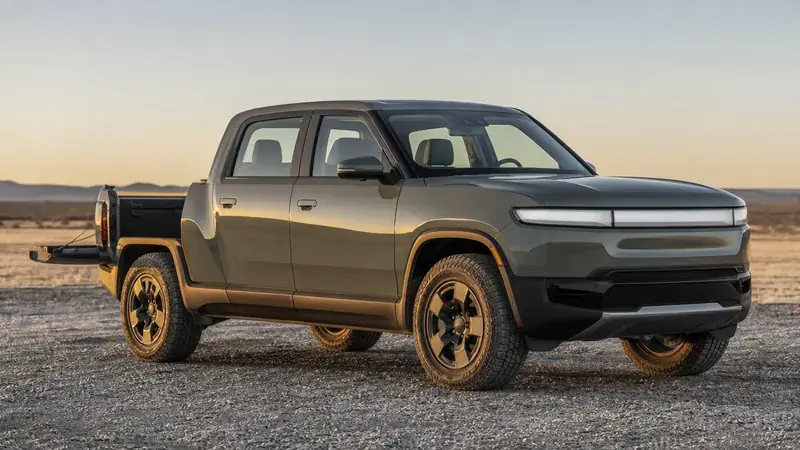
- 10 min readTruck Payload Capacity: How to Find and Use ItWhat counts as payload, where the real number lives, and what accessories quietly remove.
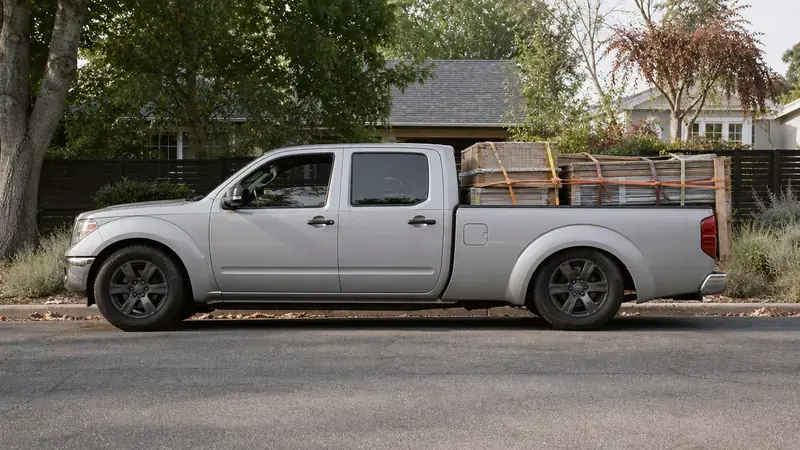
- 9 min readGVWR vs GCWR: What Each Rating ControlsWhat each rating governs, a side-by-side chart, and a worked case where the two disagree.
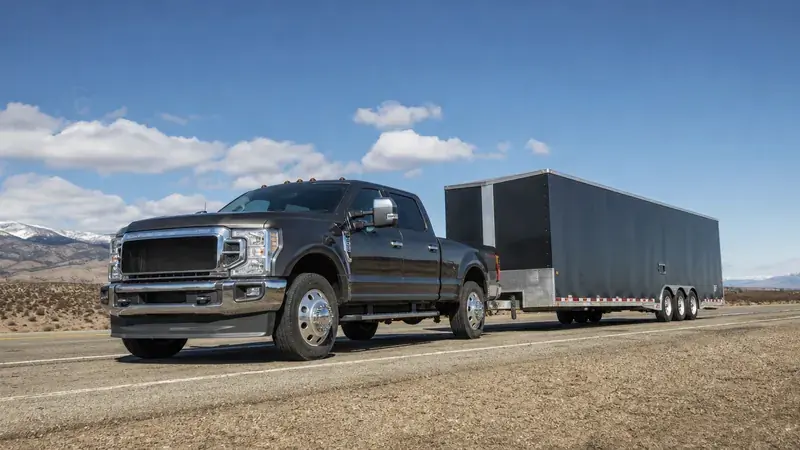
- 11 min readTowing Capacity by VINFree official VIN towing lookups by brand, and the ratings a VIN alone will never tell you.
- 15 min readHalf-Ton vs 3/4-Ton vs 1-Ton: Which Truck Class Do You Need?Truck class is decided by payload and pin weight, not tow rating. Real rating ranges across 78 configurations, and the trailer weights where each class runs out.
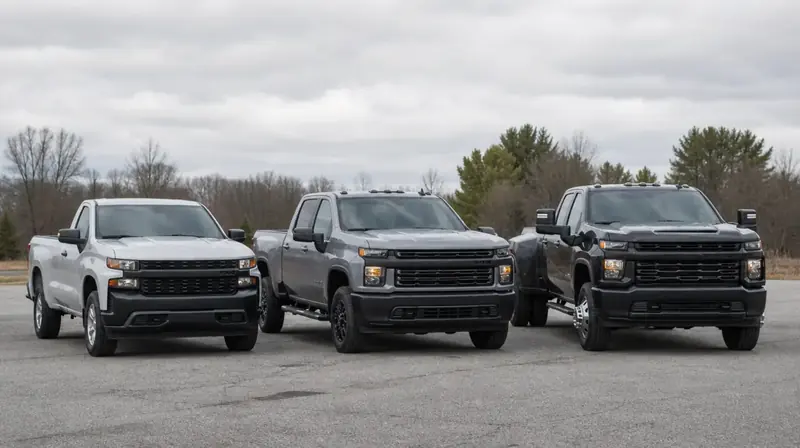
- 16 min readWhat Can I Tow With My Towing Capacity? The 3,500 to 15,000 lb LadderKnow your tow rating but not what fits? A tier-by-tier ladder from 3,500 to 15,000 lb with real trailers, the tongue weight each implies, and the payload it needs.
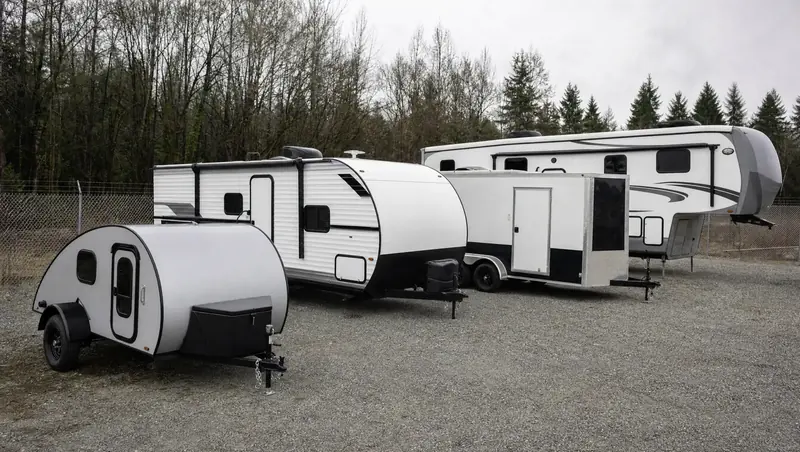
- 14 min readDry Weight vs UVW vs GVWR vs CCC: Which Trailer Number to UseDry weight is where trailer shopping starts and GVWR is where it ends. What UVW, GVWR and CCC each mean, and why the brochure number is not what you tow.
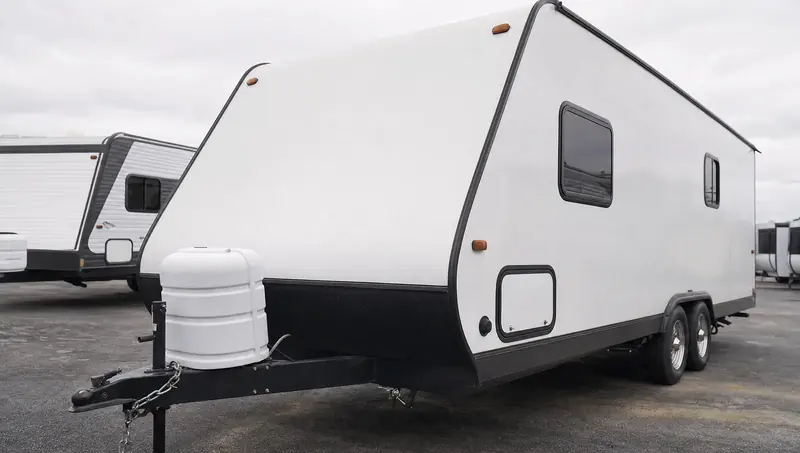
- 15 min readGAWR vs GVWR: Axle Ratings, Front/Rear, and Why the Sum Is Not the GVWRGAWR rates one axle, GVWR rates the whole loaded vehicle, and the two axle ratings usually do not add up to the GVWR. Here is why, with the federal definitions.
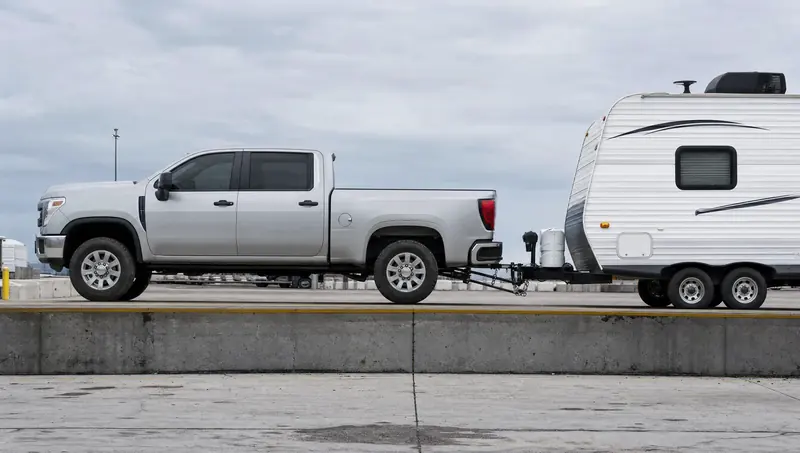
- 22 min readPayload vs. Towing Capacity: Why Payload Can Run Out FirstWhy payload, not tow rating, is often the first limit a loaded truck hits: where to read each number, the arithmetic, and a worked example.
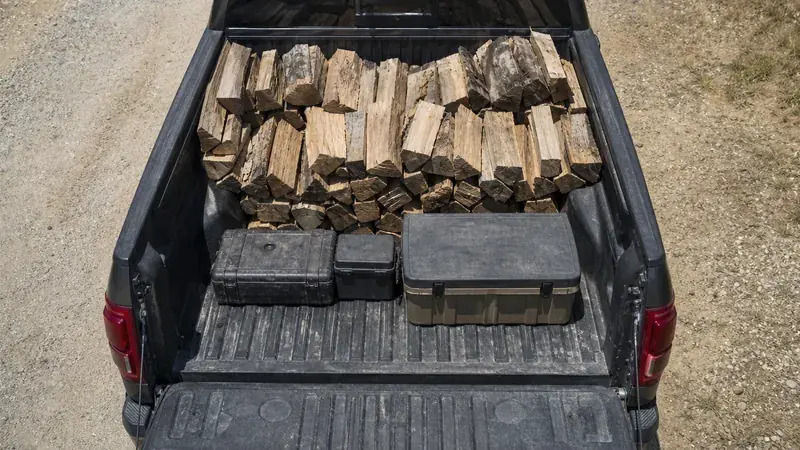
- 14 min readHow to Read a Towing Sticker: Payload Placard and Certification LabelRead the payload sticker, GVWR, GAWR, tire pressure, and axle ratings before towing. Use the checklist and calculators to avoid overload.
- 12 min readCan You Exceed Your Tow Rating? Legal, Mechanical, and Insurance ConsequencesNo manufacturer publishes a tolerance above its tow rating, and your real limit is often lower than the brochure number. What the rating assumes and why.
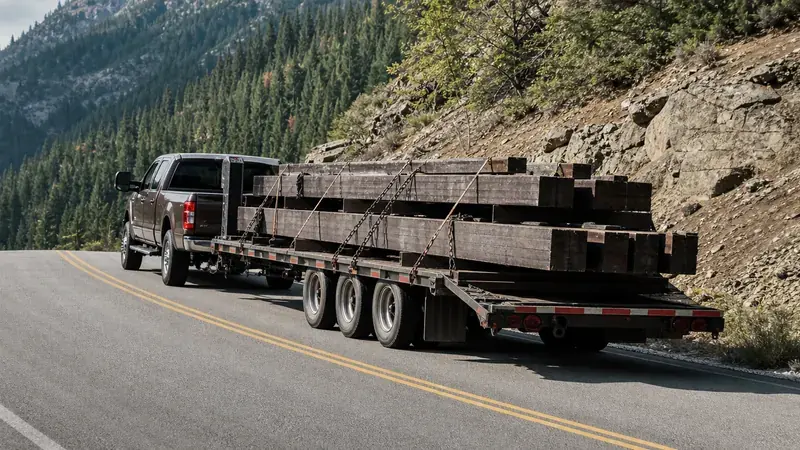


Other guide categories
- Payload & Tongue WeightThe limit that binds first on most family setups, and how to budget for it.
- Can I Tow It?Worked answers for a specific truck or SUV paired with a specific trailer.
- Charts & ReferenceLookup tables for towing capacity, payload, tongue weight and trailer weights.
- Laws & ComplianceTrailer brake, breakaway and safety-chain rules, sourced to each state's statute.
- Safety & SetupSway, weight distribution, scale weighing and the mechanical side of towing.
- Driving & TechniqueHitching, speed and spacing, corners, hills, sway, reversing and parking.