4 guides
Charts & Reference
Lookup tables for when you know what you are after and just need the figure. Towing capacity and payload by vehicle, tongue weight by trailer, and typical loaded weights by trailer type.
A word on how to use them. Published tables are a starting point and a sanity check, never a substitute for the label on the vehicle in your driveway. Manufacturers rate by configuration, and a single model line can span a wide range depending on cab, drivetrain, engine and axle ratio. Where a table gives a range, your specific vehicle sits somewhere inside it and only its own placard says where.
Trailer weight tables carry a second caveat worth repeating. Advertised dry, unladen or shipping weights describe a trailer with no water, no propane, no battery and nothing you own. The figure that matters for towing is the loaded weight, which is closer to the trailer's GVWR than to its dry weight once a family has packed it.
Every figure in these tables is traceable to a manufacturer publication. Where a number could not be sourced to one, it is not printed — a gap is more useful than a confident guess. That principle has teeth: reviewing the SUV tables against manufacturer sources turned up tow ratings that were a full model generation out of date, and per-trim payload figures that no manufacturer publishes at all. Those were removed rather than quietly corrected.
Payload is the field where published tables are least trustworthy anywhere on the web, and it is worth understanding why. GM, Ford, Kia and Hyundai do not publish payload by trim; they direct owners to the placard on the individual vehicle, because payload varies with every option fitted at the factory. Stellantis and Toyota do publish tables, so figures exist for those. Any source quoting a tidy payload range for a Suburban or an Expedition is estimating, whether or not it says so.
Use these tables to narrow a shortlist, then confirm the specific vehicle before you commit. The door placard settles payload, the owner's manual or the manufacturer's towing guide settles tow rating for your exact configuration, and a public scale settles what your rig actually weighs once it is loaded.
All charts & reference guides
- Trailer Weight Chart by TypeDry weight, GVWR and tongue weight for 17 real trailers, from teardrops to fifth wheels, each from the maker's own page, plus what loading adds.
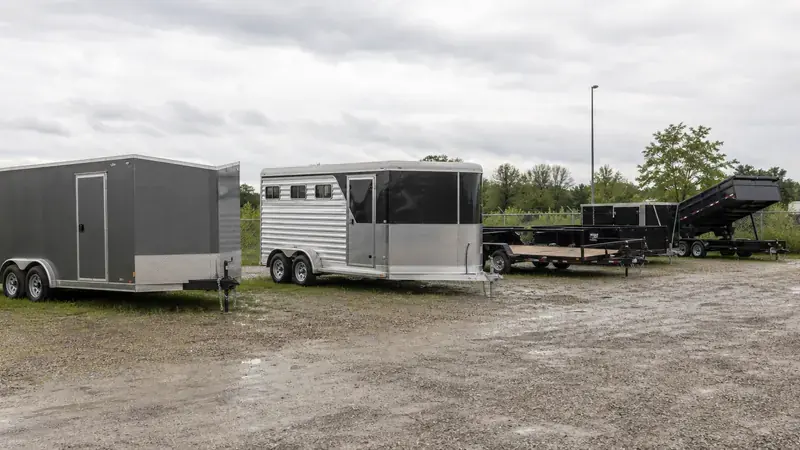
- Towing Capacity Chart by Truck ModelThe highest published tow rating, GCWR and payload for every truck model in the TowCapacityCalc database, ranked by tow rating, and how to find your own.

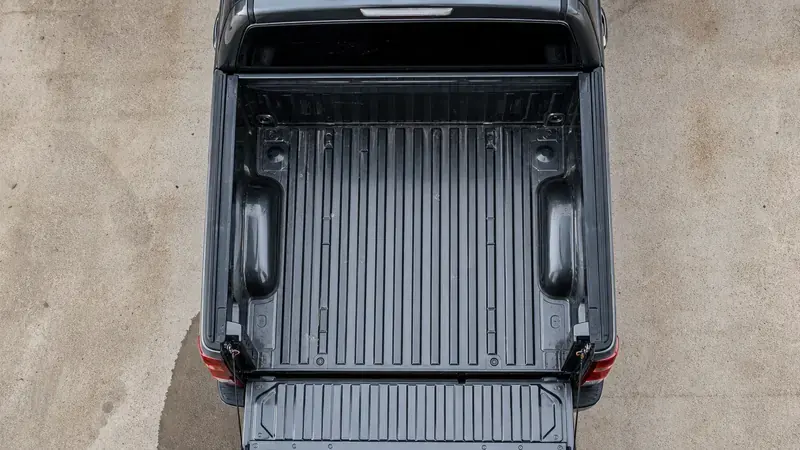
- Truck Payload Capacity ChartThe highest recorded payload for every truck model in the database, what is left after two adults and gear, and the trailer weight that supports.
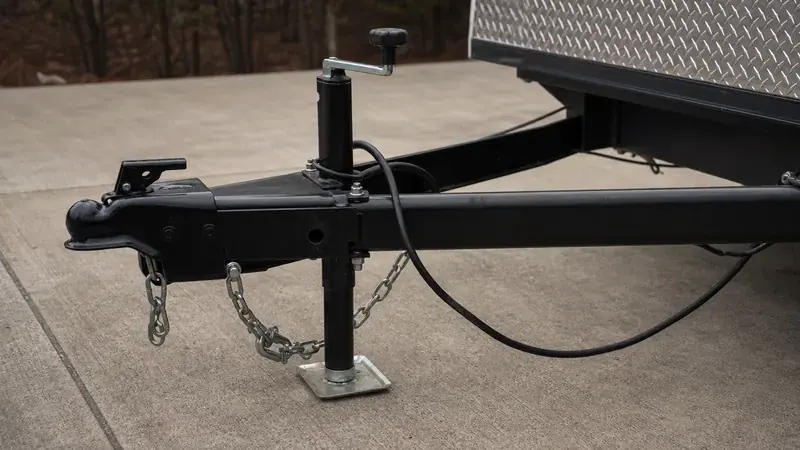
- Travel Trailer Tongue Weight ChartTongue weight for loaded trailers from 2,000 to 12,000 lb at 10, 13 and 15 percent, the payload each needs, and how to measure your own accurately.


Other guide categories
- Ratings & CapacityWhat GVWR, GCWR, GAWR and payload each control, and how to find your real numbers.
- Payload & Tongue WeightThe limit that binds first on most family setups, and how to budget for it.
- Can I Tow It?Worked answers for a specific truck or SUV paired with a specific trailer.
- Laws & ComplianceTrailer brake, breakaway and safety-chain rules, sourced to each state's statute.
- Safety & SetupSway, weight distribution, scale weighing and the mechanical side of towing.
- Driving & TechniqueHitching, speed and spacing, corners, hills, sway, reversing and parking.