8 guides
Payload & Tongue Weight
Payload is the limit that actually stops most people, and tongue weight is the reason. The download a conventional trailer places on the hitch is carried by the tow vehicle, so it competes directly with your passengers and your luggage for the same allowance.
The arithmetic is simple and unforgiving. A conventional trailer puts roughly 10 to 15 percent of its loaded weight on the hitch, and 13 percent is the usual planning figure. A fifth wheel puts more, commonly 15 to 25 percent, and that pin weight lands over or ahead of the rear axle. Multiply your trailer's GVWR by the right share, add everyone riding in the vehicle, add what is in the cab and bed, add the hitch hardware itself, and compare the total against the door placard. If it does not fit, no driving technique makes it fit.
This catches people out because the two numbers come from different places. The trailer's weight is advertised loudly; the truck's payload is printed on a sticker most owners have never read. A trailer marketed as suitable for a half-ton is making a claim about tow rating, and tow rating is rarely what runs out first.
Payload also varies far more inside a model line than most buyers expect. Across the half-ton configurations in our truck database the published figure runs from roughly 1,400 lb to over 3,300 lb — a spread of nearly 1,900 lb inside a single class. Four-wheel drive adds weight over two-wheel drive, a crew cab adds weight over an extended cab, and a hybrid battery adds a substantial amount. The strongest configuration in a model family is rarely the one sitting on the lot.
Then there is the weight that never appears on any label. The door placard is printed at the factory, so anything added afterwards comes straight out of your usable payload without being recorded anywhere: a hard tonneau cover, a toolbox, a steel bumper, a bed liner, a set of larger wheels. Owners routinely discover several hundred pounds of accessories they had never counted, and the placard still shows the original figure.
A weight distribution hitch is frequently misunderstood in this context, so it is worth stating plainly. It redistributes load between the axles, restoring steering and braking authority to a vehicle whose nose has lifted. It does not reduce the tongue weight the vehicle carries, and it does not raise payload. The hitch head and spring bars are themselves roughly 90 lb of payload you did not have before.
The guides here cover how to work out tongue weight at home with a bathroom scale, how to read it properly at a public scale, what counts against payload and what does not, and what your options are when the numbers do not work — which come down to a lighter trailer, a vehicle with more payload, or leaving something behind. There is no fourth option, and the arithmetic does not negotiate.
All payload & tongue weight guides
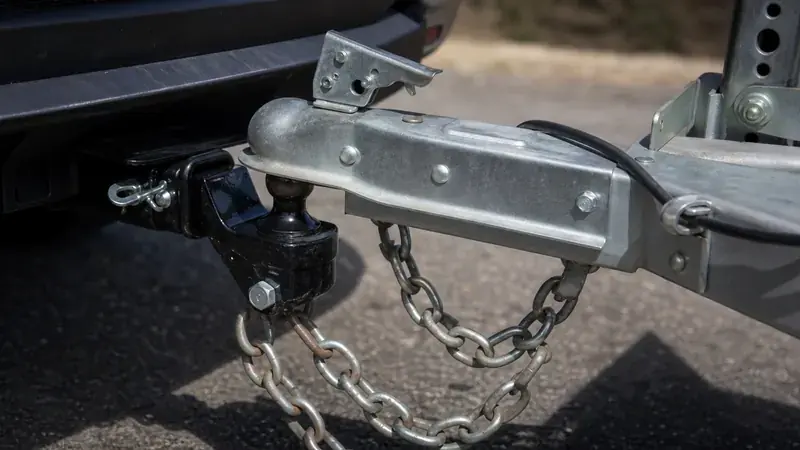
- 14 min readHow to Calculate Tongue Weight: Bumper-Pulls & 5th Wheel PinsThree ways to measure trailer tongue weight and fifth-wheel pin weight: a bathroom scale and beam (with the correct lever formula), a CAT scale, or a tongue scale.
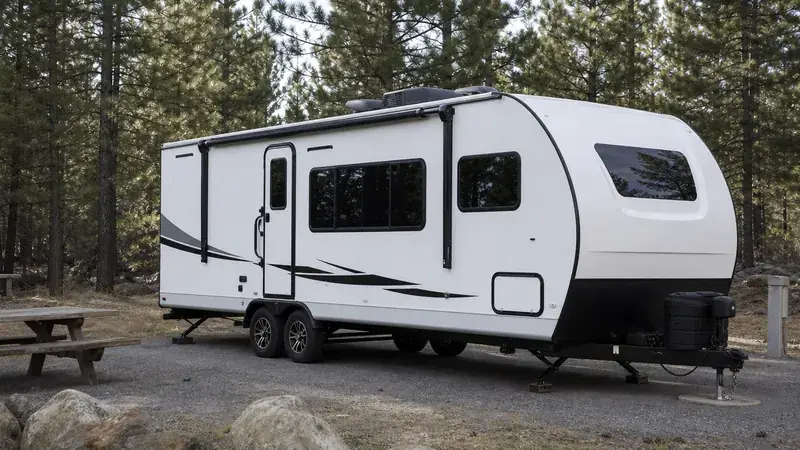
- 11 min readHow Much Payload Do I Need for a Travel Trailer?Turn a trailer weight into the payload figure to shop for, with a full worked example.
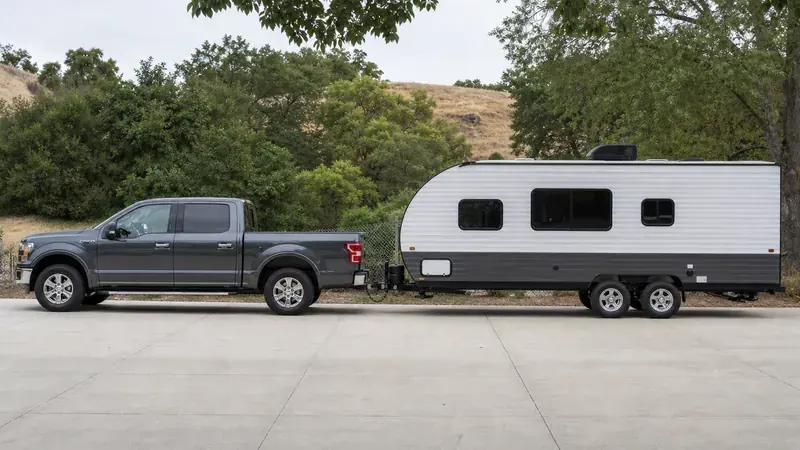
- How Much Payload Do I Need for a 7,000 lb Trailer?A 7,000 lb loaded trailer puts 700-1,050 lb on the hitch. Add your passengers, gear and hitch, then check the total against your own door label.
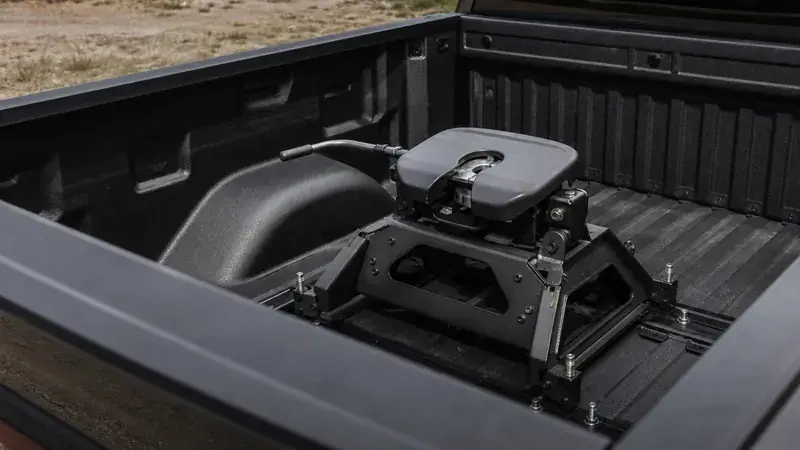
- How Much Truck Payload Do I Need for a Fifth Wheel?Fifth-wheel pin weight is planned at 15-25% of loaded trailer weight and lands in the bed. The payload math, the hitch weight, and where half-tons run out.
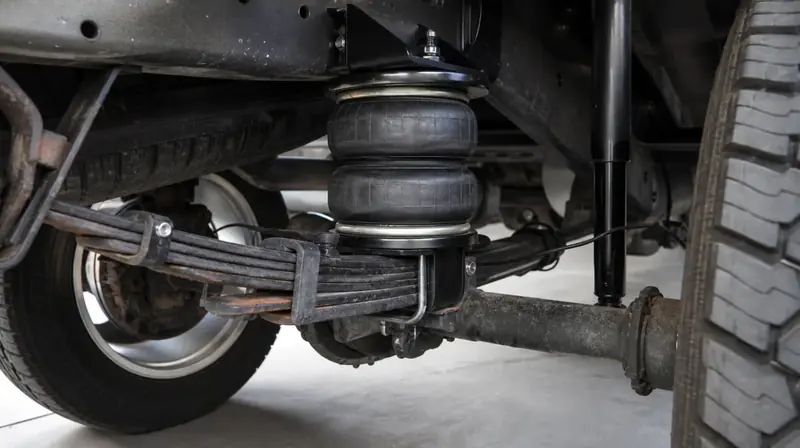
- 13 min readCan You Increase Payload Capacity? Airbags, Springs and the StickerAirbags and helper springs change how a truck sits, not what it may carry. Six manufacturers say so themselves. What sets the rating, and what genuinely helps.
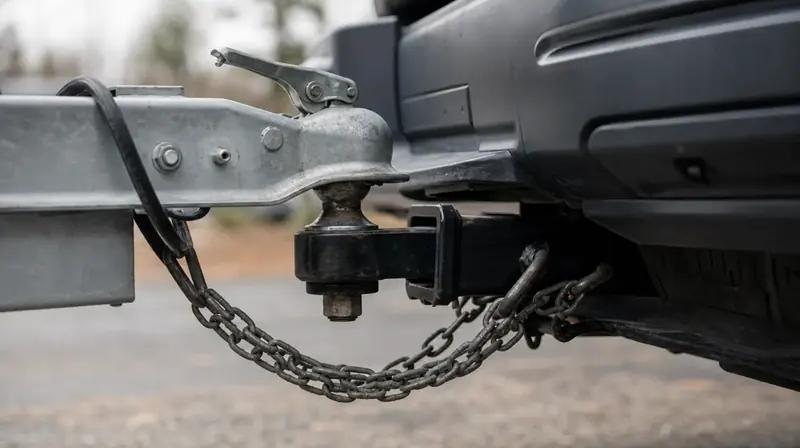
- 7 min readDoes Tongue Weight Count as Payload? Yes — Here Is the MathTongue weight is carried by the truck, so it comes out of payload alongside your passengers and gear. The math, the weight-distribution nuance, and the fifth-wheel case.
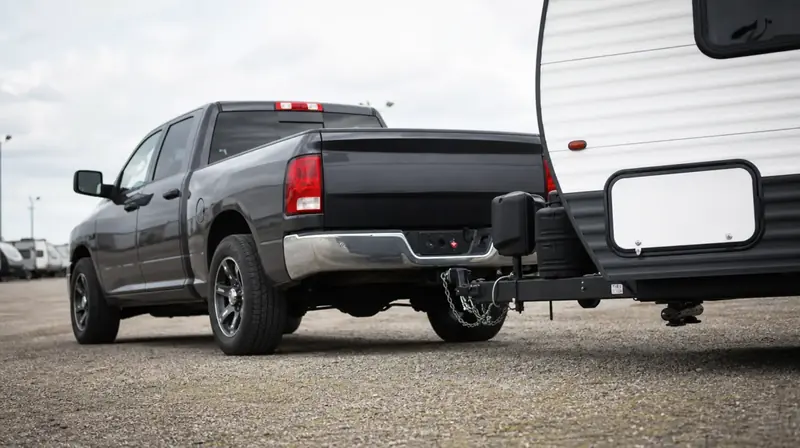
- 12 min read"Half-Ton Towable" Is a Payload Claim: Check It in 5 MinutesHalf-ton towable is a marketing phrase about tow rating, not a promise about your truck. Here is the five-minute payload check, run against real trailers and real trucks.
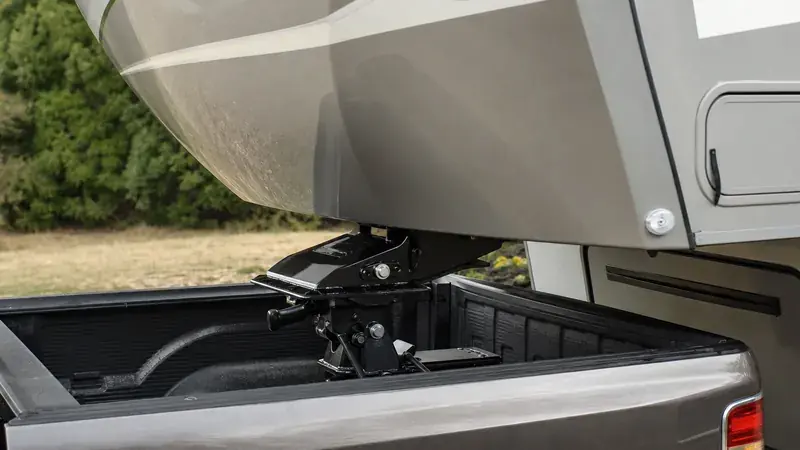
- 17 min readCan Half-Ton Trucks Tow Fifth Wheels? Pin Weight and PayloadCan an F-150, Silverado 1500 or Ram 1500 tow a fifth wheel? Published fifth-wheel ratings, maximum payloads, and the pin-weight arithmetic that decides it.


Other guide categories
- Ratings & CapacityWhat GVWR, GCWR, GAWR and payload each control, and how to find your real numbers.
- Can I Tow It?Worked answers for a specific truck or SUV paired with a specific trailer.
- Charts & ReferenceLookup tables for towing capacity, payload, tongue weight and trailer weights.
- Laws & ComplianceTrailer brake, breakaway and safety-chain rules, sourced to each state's statute.
- Safety & SetupSway, weight distribution, scale weighing and the mechanical side of towing.
- Driving & TechniqueHitching, speed and spacing, corners, hills, sway, reversing and parking.