6 guides
Laws & Compliance
What the law requires of a trailer, state by state, with the statute behind each claim. Brake thresholds, breakaway systems and safety chains, plus the equipment guides that go with them.
The thing most people are surprised by is how much the rules move at a state line. Thirty-one states set the trailer brake threshold at 3,000 lb, which is why that figure gets quoted as though it were national — but the range across the states that name a weight runs from 1,500 lb to 10,000 lb, and eight states use no weight cutoff at all, relying instead on a stopping-distance performance standard or a rule written around trailer type.
States also disagree about what the threshold is measured against. Some use gross weight, some use the trailer's GVWR, some use actual weight or unladen weight. A trailer sitting below its rating can be under the limit on one basis and over it on another, so it is worth knowing which basis applies where you are driving. Equipment rules are enforced by the state you are in, which means a route across several states needs checking against all of them.
Breakaway systems and safety chains follow their own rules, and they do not always track the brake threshold. A breakaway switch applies the trailer's brakes if it separates from the tow vehicle, so it only does anything on a trailer that has brakes and a charged battery — but the weight at which a state requires one, and the trailer types it covers, are written separately in many statutes. Safety chain requirements are more consistent in substance than in wording: cross them under the coupler, leave only enough slack to turn fully, and never let them drag.
The practical upshot for a trip is that the legal question is a route question, not a home-state question. A trailer that needs no brakes where it is registered can require them two states along, and nothing about the trailer has changed. Checking the origin and destination is not enough; the states in between enforce their own equipment rules on the road you are driving.
Every state record here is sourced to an official statute, DMV, DOT or state agency page, and each carries its own last-verified date. Where a claim could not be confirmed against an official source, the record says so rather than publishing a figure we cannot stand behind. These are educational summaries rather than legal advice, statutes change between reviews, and the state's own source is always the authority.
All laws & compliance guides
- Hub · 50 statesTrailer Brake Laws by StateThe trailer weight that triggers a brake requirement in all 50 states, with the statute behind each.

- Trailer Brake Laws by State: Full 50-State Threshold ChartEvery US state's trailer brake weight threshold in one chart, with the basis each uses: GVWR, gross weight, unladen weight, or a performance rule.
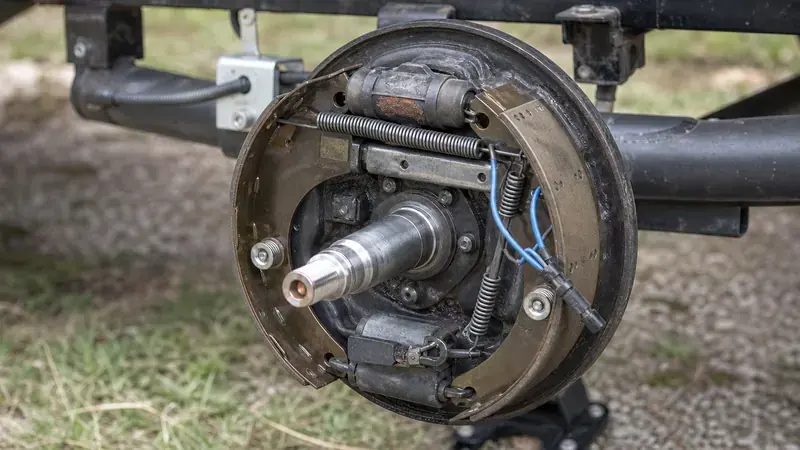
- Trailer Breakaway Requirements by StateWhich states require a trailer breakaway system, at what weight, and how long the brakes must hold. A 50-state chart with the statute behind each answer.

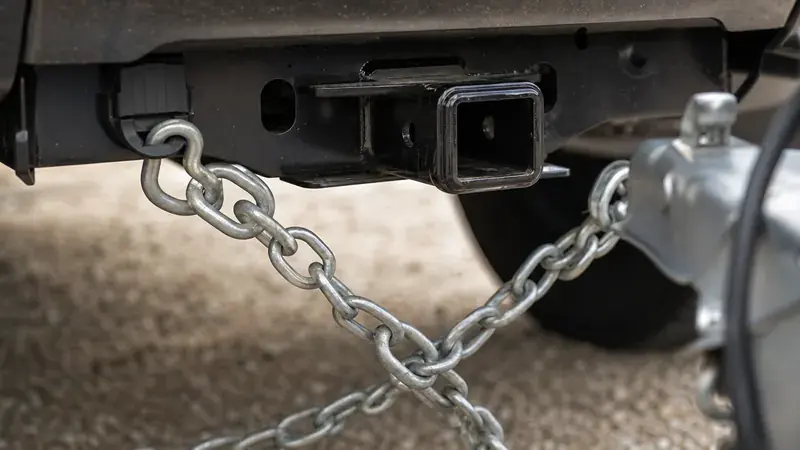
- Trailer Safety Chain Laws by StateWhich states require trailer safety chains, what the statutes say about strength, slack and crossing, and where each rule is written. A 50-state chart.
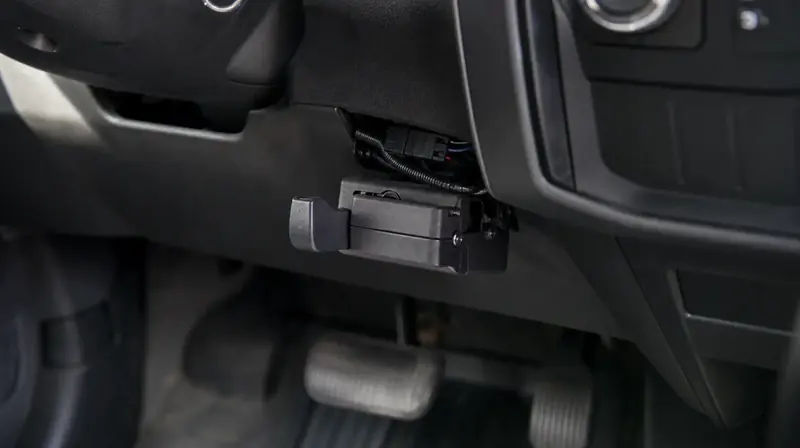
- 15 min readTrailer Brake Controller Guide: Types, Wiring and Which You NeedProportional vs time-based controllers, why your new truck may not have one, the 7-way pin that carries the brake signal, and how to set the gain.
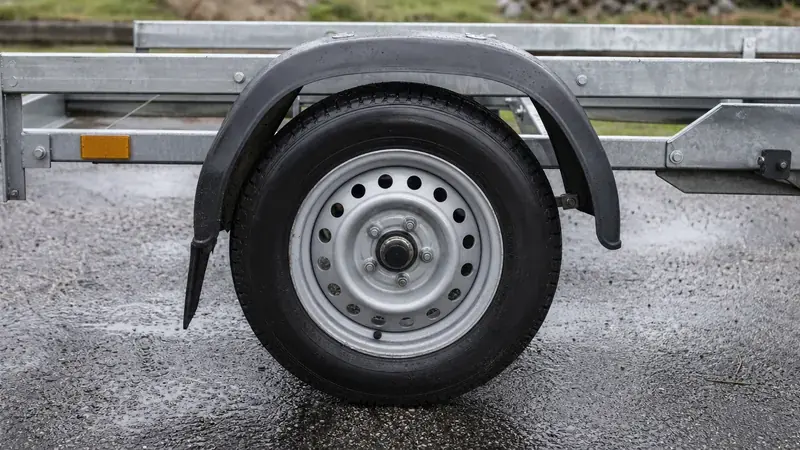
- 15 min readDo I Need Trailer Brakes? State Thresholds, Brake Types and ControllersUse trailer weight and state law to check when brakes or a breakaway switch are likely required, then confirm with official sources before towing.


Other guide categories
- Ratings & CapacityWhat GVWR, GCWR, GAWR and payload each control, and how to find your real numbers.
- Payload & Tongue WeightThe limit that binds first on most family setups, and how to budget for it.
- Can I Tow It?Worked answers for a specific truck or SUV paired with a specific trailer.
- Charts & ReferenceLookup tables for towing capacity, payload, tongue weight and trailer weights.
- Safety & SetupSway, weight distribution, scale weighing and the mechanical side of towing.
- Driving & TechniqueHitching, speed and spacing, corners, hills, sway, reversing and parking.